Repairing hair transplants that fall under Ghost Hair Transplants
Ghosting is a term used when it is assumed that a doctor is going to perform the surgery, but then the doctor never appears, and another individual performs the surgery. Usually, they are unlicensed and not qualified or authorized to perform surgery.
Also Read: What Is a Black Market Clinic?
Such cases have become so rampant today due to the mushrooming of unqualified hair transplant doctors and unscrupulous centers where doctors do not perform the hair transplants. Yes, ghost hair transplants can happen in a clinic setup where the qualified doctor is nowhere to be seen, and the patient is fully sedated, hence being unaware that the doctor did not perform the hair transplant surgery.

This case study was presented by Jasvinder Singh, MBBS, FISHRS, from Kuala Lumpur, Malaysia. He performed the hair transplant repair on this patient.
Case Study from Dr. Singh
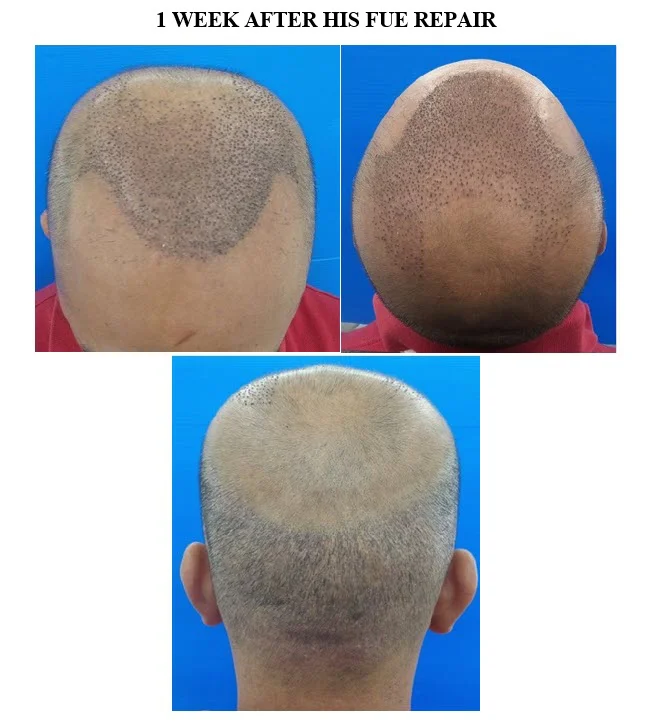
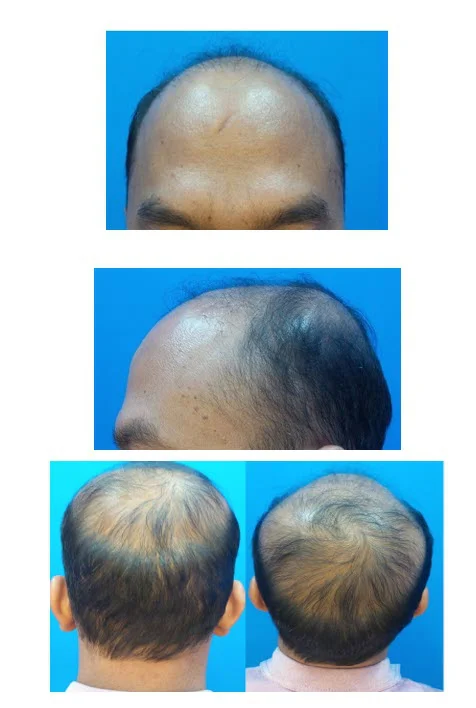
We took on a patient who wished to repair his hair transplant due to unsatisfactory results from poor growth. See the picture above showing the results from the Ghost Hair Transplant Clinic prior to the repair.
- Our patient was fully sedated with oral sedatives during his previous hair transplant procedure in another clinic. He fell victim to an illegitimate clinic that displayed highly enticing advertisements offering cheap rates. He concluded it was a splendid bargain for restoring hair without realizing that it was highly reckless and did not see the red flags. He also expected the doctor to be performing the procedure. Unfortunately, the end result was a damaged donor area with a very poor graft survival rate because unqualified persons performed the procedure at the clinic!
- Such cases are difficult and require a lot of expertise & patience to get it right, and it’s highly tedious. There are many clinics that produce poor hair transplant results due to a sheer lack of experience and credentials, and delegation to assistants who do not have authority to perform surgery in their state or country. Many clinics market heavily and display impressive results that are the results of other surgeons and clinics. Many are involved in ghosting the patient, making it appear as if they, the physician, will do the surgery when, in fact, it is delegated to a medical assistant.
Also Read: What to Check Before You Choose a Surgeon?
Plan and Procedure for Repair
I performed a detailed medical history and did an assessment of the patient’s poor results and understood why the patient was upset and had a bad experience.
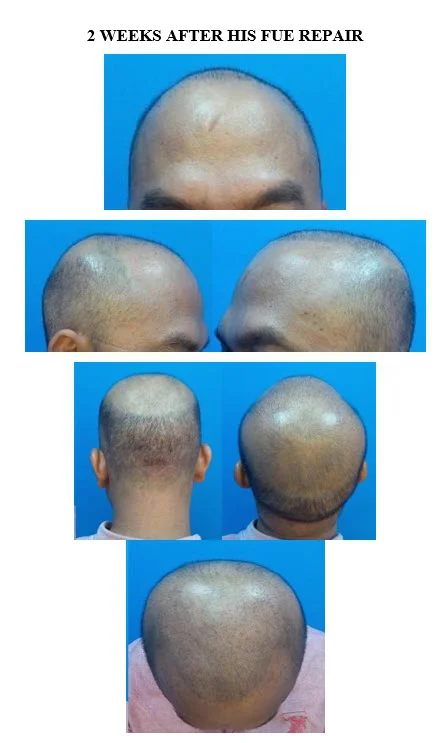
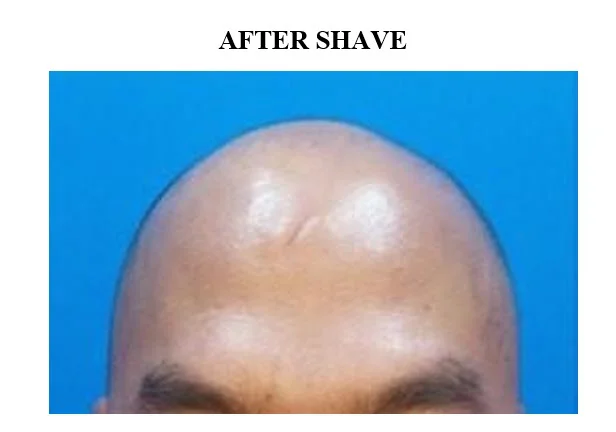
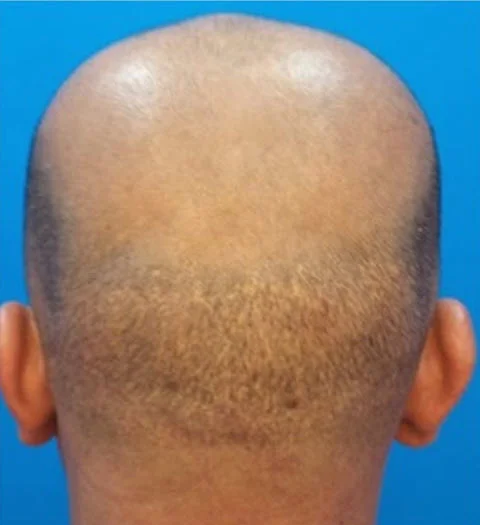
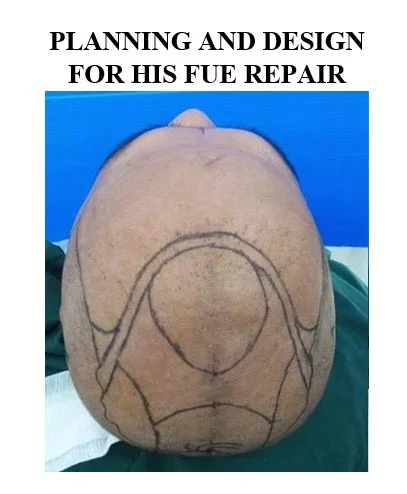
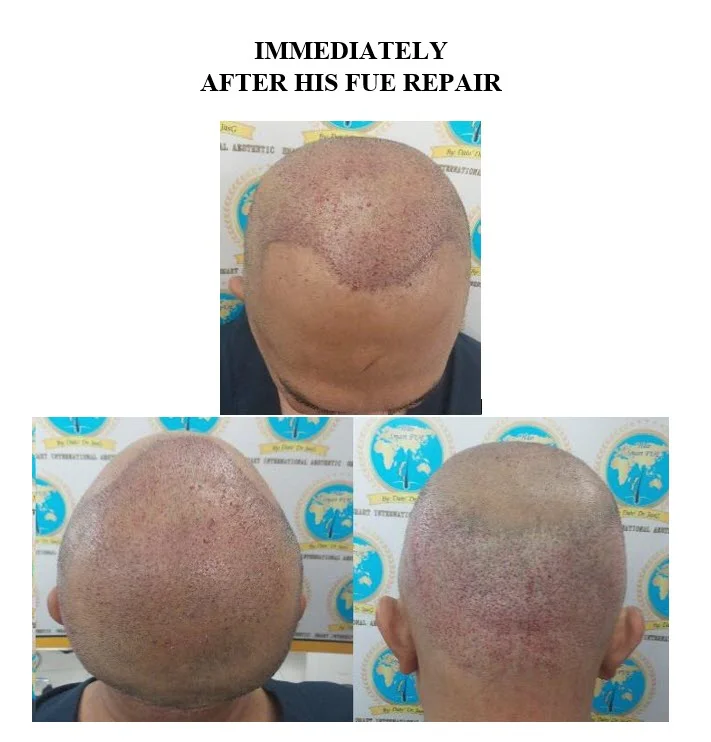
I subsequently designed a plan for correction. This included multiple procedures, medication, and hair removal plug and recycling of the misplaced grafts. Once the patient’s head was shaved, I noticed scars and pitting from overharvesting of the donor area and recipient site.
Also Read: Over-Harvested Donor Area After a Black Market Hair Transplant
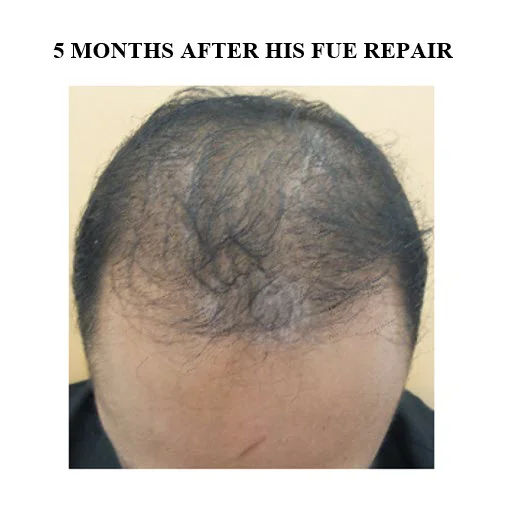
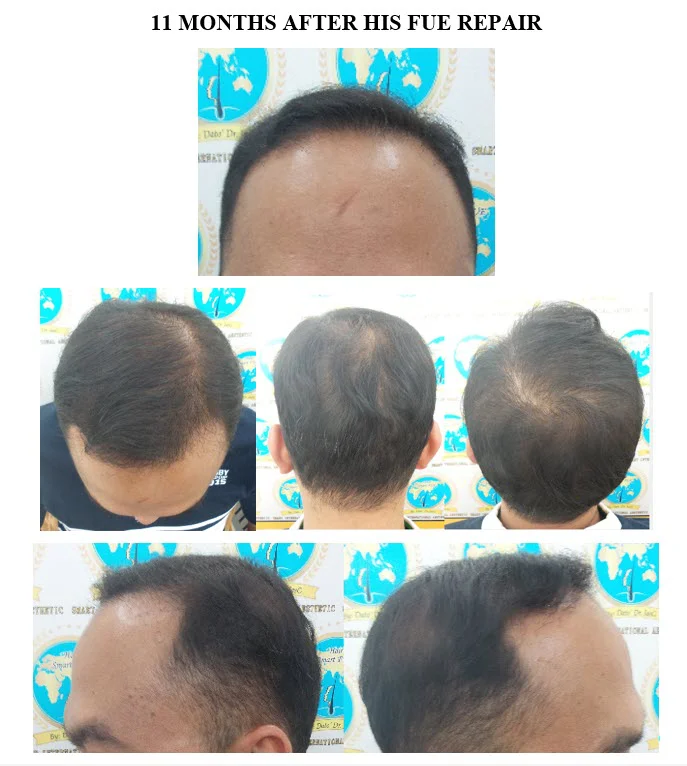
- A revised hairline was designed and documented. I corrected donor scars from the first procedure by replanting follicular unit grafts where they were needed and by adding grafts and correcting the shape of the hairline.
- The recipient area already had some grafts. It was important to identify which of these were worth keeping and which needed to be removed and recycled. The recipient area was severely scarred from the first surgery; hence, the blood supply could have been poor due to the previous procedure lacking surgical planning from harvesting to planting, without any depth control, which may have impaired the underlying blood supply.
Discussion
The common issues that happen with clinics that Ghost patients: Very low survival rate
- Overharvesting of the donor area causes severe donor area damage and depletion.
- Severe scarring of the recipient area due to the wrong tools used and the miserable lack of experience, passion, and conscience. This leaves another issue with regard to the technicalities of implantation into scarred areas.
- Too many procedures of lowering the hairline were performed without considering the donor density, age, and suitable hairline according to ethnicity and age, in this case, being 40 years of age.
Further Read: Revision and Repair of Bad Hair Transplants
Repair work has always been a frequent part of my practice, which, as mentioned earlier, has become more rampant in the last ten years. Unfortunately, the number of people getting “Ghosted” by physicians has been on the rise for pure profitability. These procedures, done by inexperienced, unethical “Ghost Hair Transplant” centers, are still on the rise. I believe that this has a lot to do with misinformation, self-research on the internet with zero knowledge, and placing priority on low prices. Little do people realize that low prices are given for a reason. A big, sinister picture is behind the scenes!